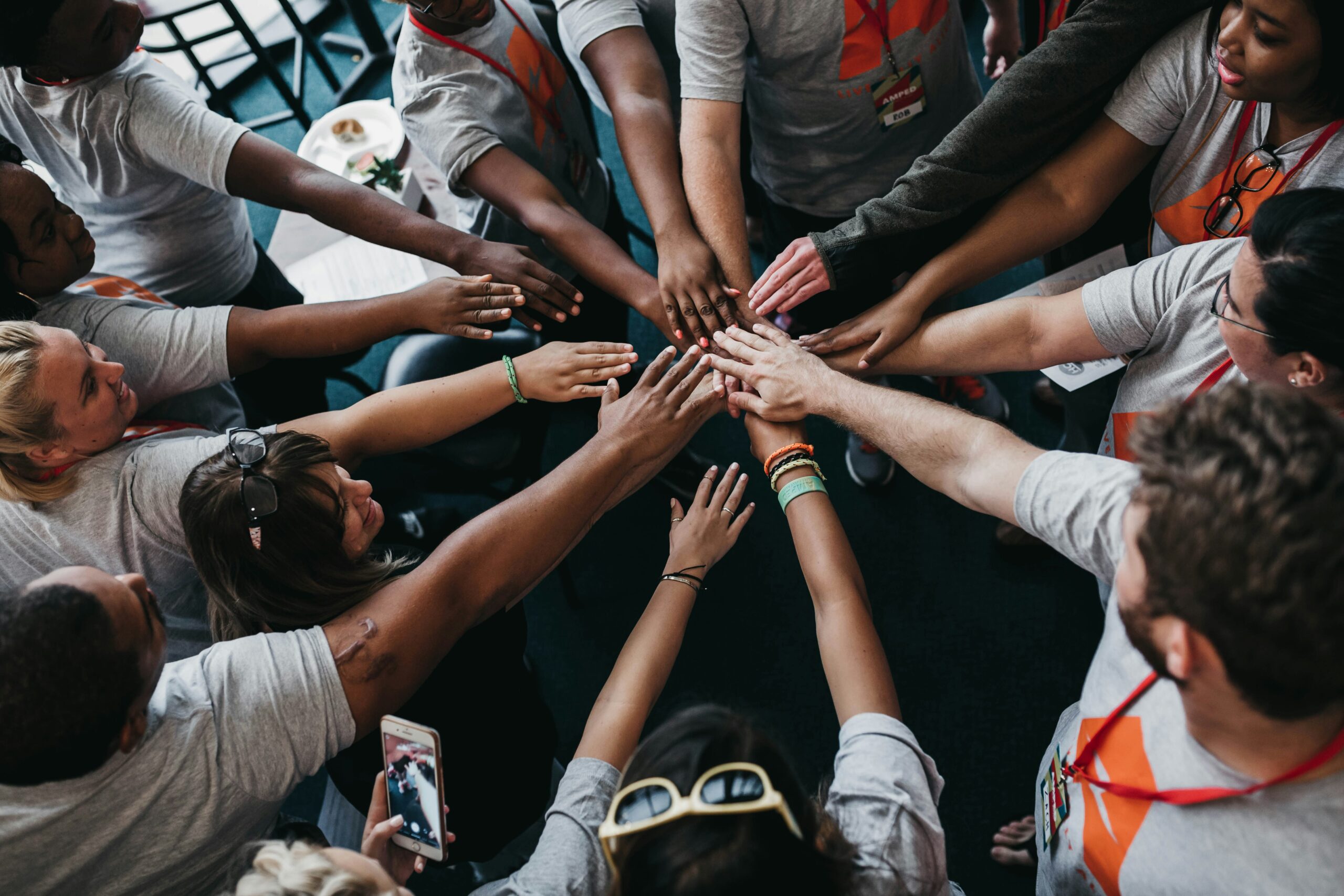
Volunteerism transforms concern into meaningful action by placing people where help truly matters. In everyday life, many individuals want to make a difference, yet they often feel unsure how to begin. Service provides a clear path forward through direct involvement. Moreover, volunteerism connects intention with impact in visible ways. Therefore, when people choose to serve, they step into a role that benefits both themselves and the wider community.
Purpose as a Driving Force
People seek purpose, and volunteerism delivers it through consistent effort. When individuals commit their time, they experience a strong sense of direction. Service clarifies values because it requires active participation. Additionally, purpose-driven work builds motivation that extends beyond volunteering. As a result, people carry renewed energy into their personal and professional lives.
Personal Confidence Through Service
Volunteerism builds confidence by challenging people to contribute in real situations. Through service, individuals solve problems and directly support others. Each success reinforces belief in personal ability. Moreover, volunteers gain practical skills through hands-on experience. Consequently, service strengthens self-esteem and personal growth.
Creating Belonging and Social Connection
Human connection thrives through shared effort, and volunteerism creates that space. When people serve together, they form relationships rooted in cooperation. These bonds develop naturally through teamwork and trust. Furthermore, volunteers often feel a strong sense of belonging. Therefore, service reduces isolation and strengthens social ties.
Volunteerism and Community Strength
Communities grow stronger when residents take part in collective care. Volunteerism fills critical gaps by supporting local programs and initiatives. Through sustained involvement, volunteers help communities address ongoing needs. Moreover, this shared responsibility builds trust among neighbors. As a result, communities become more resilient and unified.
Encouraging Understanding Across Differences
Service brings people together from different backgrounds and experiences. When volunteers work toward common goals, differences lose their power to divide. Interaction fosters empathy through shared challenges. Additionally, volunteerism encourages respectful communication. Therefore, service promotes understanding and cooperation in diverse environments.
Developing Character in Young People
Volunteerism shapes young people’s character by connecting action with responsibility. When youth engage in service, they learn accountability through experience. These moments teach empathy and discipline. Moreover, volunteering helps young people develop leadership skills. Consequently, service prepares them for active and thoughtful adulthood.
Supporting Organizations That Serve Others
Many organizations depend on volunteers to extend their reach. Through service, volunteers provide energy and dedication that strengthen programs. Their involvement improves consistency and quality of support. Furthermore, volunteers often bring fresh ideas and perspectives. Therefore, volunteerism plays a vital role in sustaining community services.
Emotional Well-Being Through Helping
Helping others supports emotional health by fostering a positive focus. Volunteers often feel satisfaction when they see real outcomes. This sense of contribution improves mood and outlook. Additionally, the service encourages meaningful social interaction. As a result, volunteerism supports mental balance and emotional strength.
Responding Together During Hardship
During difficult times, volunteerism becomes a source of stability. Communities rely on volunteers to respond quickly and compassionately. These efforts provide comfort and practical assistance. Moreover, shared services strengthen morale during periods of uncertainty. Therefore, volunteerism supports recovery and collective healing.
Inspiring Ongoing Participation
Volunteerism inspires continued involvement through visible impact. When people see progress, they feel encouraged to remain engaged. Service becomes part of identity rather than a temporary action. Additionally, committed volunteers often motivate others to join. As a result, service grows through shared inspiration.
Building a Culture of Care
Communities that value volunteerism foster a culture of care. When service becomes common, helping others feels natural. This mindset encourages cooperation and responsibility. Moreover, visible acts of service influence social norms. Therefore, volunteerism helps shape communities built on mutual support.
Sustaining Change Through Commitment
Lasting change requires consistency, and volunteerism provides that foundation. When individuals stay involved, they deepen their understanding of local needs. This long-term commitment leads to meaningful progress. Additionally, sustained service builds trust and reliability. Consequently, volunteerism creates an impact that endures.
Choosing Service With Intention
Volunteerism strengthens lives by uniting purpose with action. Through service, individuals grow while communities gain resilience and connection. Moreover, volunteerism nurtures empathy, confidence, and a sense of shared responsibility. When people choose to serve with intention, they help create lasting positive change. Ultimately, volunteerism demonstrates that collective effort shapes a stronger, more caring society.