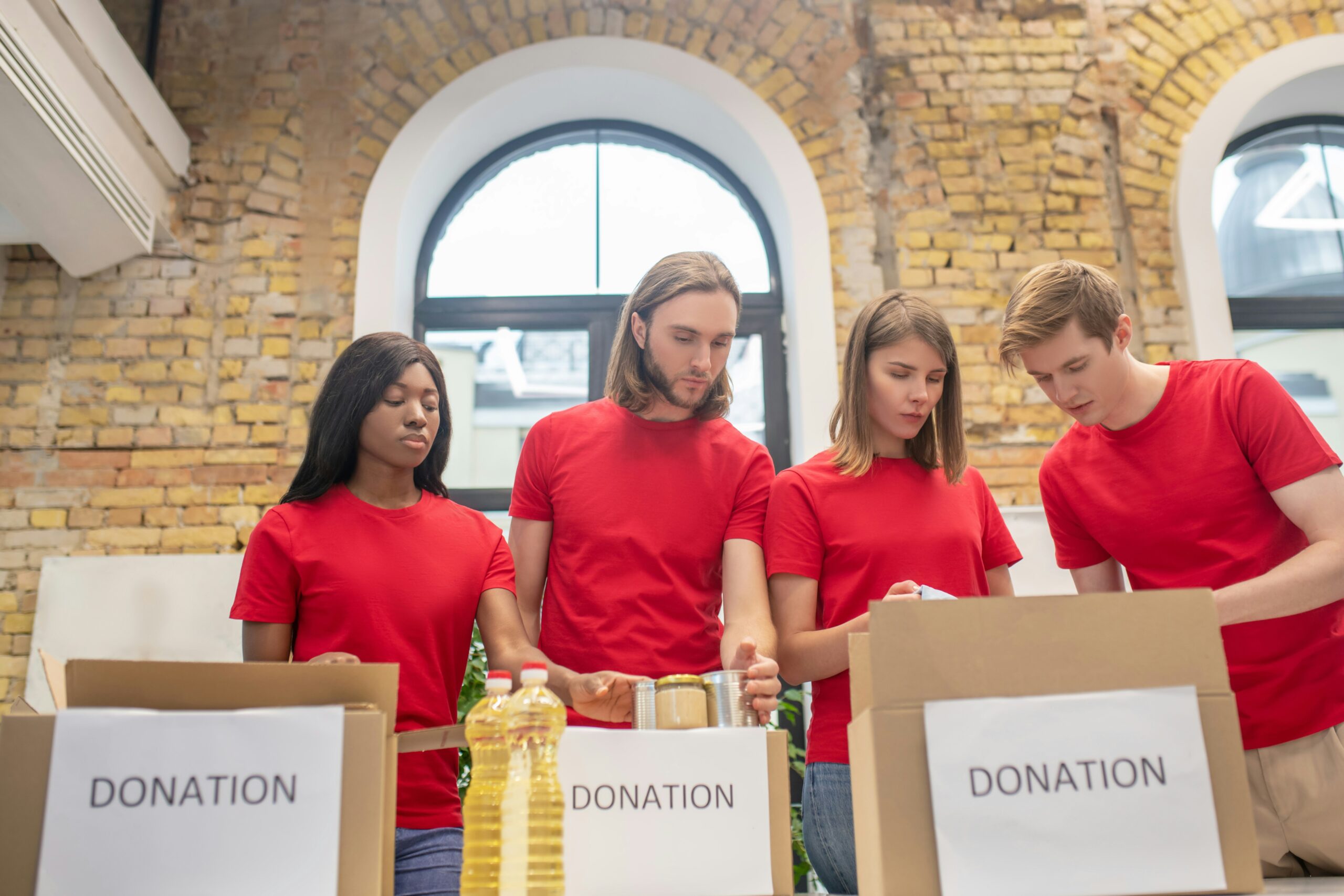
A meaningful philanthropic journey often begins with something simple: giving your time. Volunteerism helps you see community needs up close. It also gives you a personal connection to the people and causes you support. When you volunteer, you learn more than statistics can show. You see how organizations work, what challenges they face, and where extra help can make a real difference. This experience can shape your values and guide future giving decisions. It can also help you discover which causes truly matter to you. Whether you support a food bank, school, animal shelter, hospital, or local charity, your time can become the first step toward a deeper commitment to helping others.
Volunteering also helps you build trust with nonprofit organizations. As you become more involved, you may understand their goals, leadership, and community impact more clearly. This knowledge can help you decide where to focus your support. In addition, regular volunteer work can turn giving into a lasting habit rather than a one-time action. You may begin by helping once a month and later take on larger roles. You might support events, mentor others, or help raise awareness. Over time, this hands-on experience can inspire you to give money, share skills, or encourage friends and family to join. In this way, volunteerism can create a strong foundation for a lifelong philanthropic journey.
Choosing Causes That Reflect Your Values
As your involvement grows, it becomes important to focus on causes that match your personal values. People often feel more committed when they support issues that have meaning in their own lives. You may care deeply about education because a teacher once changed your future. You may support health programs because your family has faced medical challenges. You may feel connected to environmental protection, poverty relief, animal welfare, or community development. Whatever your interests, choosing a cause with personal meaning can make giving feel more rewarding. It can also help you stay engaged over the long term, rather than moving from one cause to another without a clear purpose.
At the same time, you should learn about the organizations that work in the areas you care about. Look at how they use donations, how they measure progress, and how clearly they communicate their goals. A strong organization should explain how its programs help people or communities. It should also be open about its leadership and financial practices. This research does not need to feel complicated. Even basic questions can help you make better choices. When you understand both the cause and the organization, you can give with greater confidence. This thoughtful approach can turn simple generosity into a more focused and effective philanthropic journey.
Growing From Small Donations to Strategic Giving
Financial giving often becomes a natural next step after volunteering. You do not need great wealth to make a difference. Small, regular donations can provide steady support to organizations that depend on reliable funding. Even modest contributions can help pay for meals, school supplies, medical care, community programs, or emergency services. Regular giving can also help nonprofits plan because they know they have consistent support. As your income changes over time, you can adjust the amount you give. The important part is creating a giving habit that fits your budget and values. A thoughtful donation can be meaningful regardless of its size.
As you gain experience, you may want to become more strategic about your giving. This means thinking carefully about where your money can have the strongest impact. Instead of donating only when you receive an appeal, you can create a yearly giving plan. You may decide to support a few trusted organizations rather than spreading your donations too widely. You can also combine financial support with volunteer work, professional skills, or community connections. For example, you might help a nonprofit improve its website, organize an event, or connect with potential partners. Strategic giving allows you to contribute in several ways while keeping your efforts focused on meaningful results.
Sharing Philanthropy With Family and Community
Philanthropy can become more powerful when you share it with others. Families can talk openly about the causes they care about and the kind of impact they want to create. Parents can involve children in simple giving activities, such as choosing a charity, volunteering together, or donating part of a holiday budget. These experiences teach kindness, responsibility, and gratitude. They also show younger generations that giving is not only about money. It is about caring for others and taking action when help is needed. Over time, these shared experiences can become family traditions that strengthen both relationships and community involvement.
You can also inspire friends, coworkers, and neighbors through your actions. You do not need to pressure anyone to give. Simply sharing your experiences can help others understand the value of community support. You might invite someone to join you at a volunteer event or talk about why a certain cause matters to you. Community giving can grow when people see positive examples around them. Businesses, schools, and local groups can also work together to support shared goals. When philanthropy becomes part of a wider community culture, its impact can grow far beyond one person. This shared approach can create lasting change and encourage future generations to stay involved.