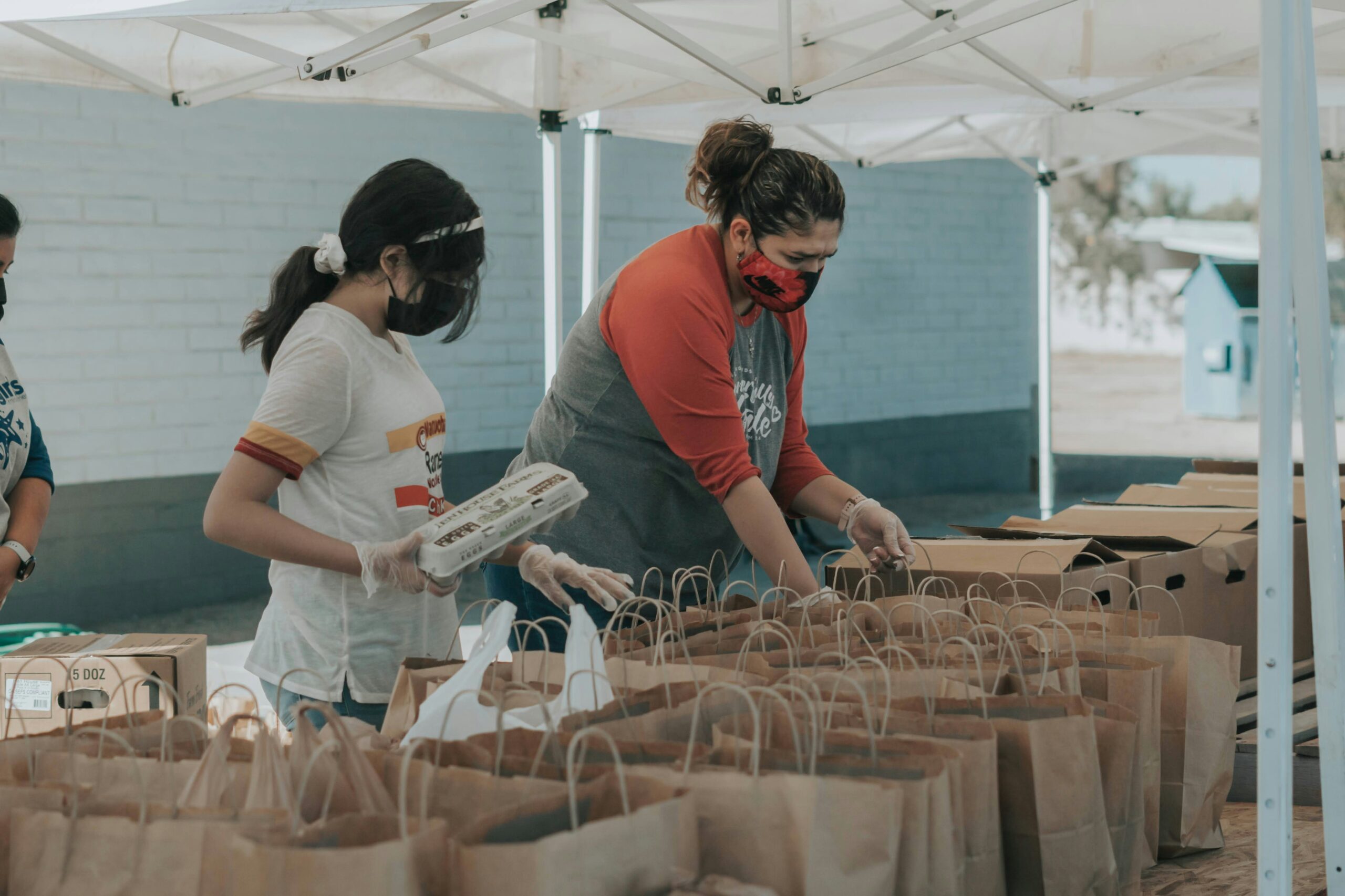
Volunteering allows people to support others while improving their well-being, building connections, and finding a stronger sense of purpose. Although many people volunteer because they want to make a difference, the experience can also support emotional health, social connection, and personal growth. Moreover, helping others often creates a sense of purpose that everyday routines may not provide. Whether someone serves meals, mentors young people, supports a local charity, helps neighbors, or participates in community projects, volunteering can strengthen both individual and community well-being.
Volunteering Creates a Stronger Sense of Purpose
First, volunteering gives people meaningful responsibilities that extend beyond their personal concerns. When individuals know that their time and effort can help another person, they often feel more connected to something larger than themselves. As a result, volunteering can add structure and meaning to daily life while encouraging people to focus on positive goals.
Additionally, a sense of purpose can become especially valuable during periods of change. Retirement, relocation, career transitions, or changes in family responsibilities may leave people searching for meaningful ways to use their time. Therefore, volunteering can provide a productive routine and create opportunities to contribute skills, knowledge, and experience to worthwhile causes.
Helping Others Can Support a Positive Mood
Furthermore, acts of kindness can create feelings of satisfaction and personal fulfillment. Volunteers can see how their actions affect real people, communities, animals, or causes they care about. Consequently, even small contributions may provide a meaningful emotional reward and encourage a more positive outlook.
At the same time, volunteering can shift attention away from everyday worries. Instead of focusing entirely on personal stress, volunteers spend time completing useful tasks and interacting with others. Although volunteering cannot replace professional mental health care when it is needed, it can become one healthy activity within a broader approach to emotional well-being.
Social Connections Can Reduce Feelings of Isolation
Similarly, volunteering naturally brings people together around shared goals. Many volunteer programs involve teamwork, regular meetings, community events, or direct interaction with people who need assistance. Therefore, participants have opportunities to build relationships while working toward something they consider important.
Moreover, these connections can be particularly meaningful for people who have limited social interaction in their normal routines. Someone who works remotely, recently moved, or entered retirement may find it harder to meet new people. However, volunteering creates a comfortable environment where conversations develop through shared activities rather than forced social situations.
Giving Back Can Strengthen Self-Confidence
In addition, volunteers often discover that they have more to contribute than they initially realized. Completing tasks, solving problems, supporting others, and receiving appreciation can reinforce a healthy sense of competence. As volunteers recognize the value of their contributions, they may gradually develop greater confidence in their abilities.
Likewise, volunteering can encourage people to try unfamiliar responsibilities. Someone might organize an event, speak with community members, coordinate a small team, or learn new technology while supporting an organization. Consequently, these experiences can build practical skills while showing volunteers that they can adapt to new situations.
Volunteering Encourages Healthy Social Habits
Beyond emotional benefits, volunteering can encourage people to maintain a more active and engaged lifestyle. Depending on the activity, volunteers may walk, organize supplies, work outdoors, attend events, or travel within their communities. Therefore, volunteering can help people spend less time isolated at home and more time participating in meaningful activities.
Additionally, regular volunteer commitments can add helpful structure to a person’s schedule. Having a specific place to go and people who depend on your contribution can encourage consistency and responsibility. As a result, volunteering may help create a healthier balance between personal time, social interaction, physical activity, and community involvement.
Communities Benefit From Every Contribution
Of course, the benefits of volunteering extend far beyond the volunteer. Nonprofit organizations, schools, community centers, shelters, food programs, environmental groups, and other organizations often depend on volunteers to expand their reach. Therefore, every contribution of time can help these groups serve more people or improve the quality of their programs.
Meanwhile, recipients gain more than practical assistance. A volunteer who listens carefully, offers encouragement, shares knowledge, or simply spends time with someone can create meaningful human connection. Consequently, volunteering can strengthen trust and compassion within communities while reminding people that support is available when they need it.
Small Commitments Can Still Make a Difference
Importantly, volunteering does not require a major time commitment. People can choose opportunities that match their schedules, interests, energy levels, and abilities. For example, someone might volunteer occasionally at community events, contribute a few hours each month, or support an organization remotely. Therefore, even people with demanding schedules can find realistic ways to participate.
Furthermore, choosing the right opportunity can make volunteering more enjoyable and sustainable. People who enjoy working with children might consider tutoring, while animal lovers may prefer shelters or rescue organizations. Others might support environmental projects, food programs, senior services, or professional mentoring. When personal interests align with a cause, volunteers often find it easier to stay engaged.
Building Well-Being Through Meaningful Service
Ultimately, volunteering creates a valuable connection between personal well-being and community support. By giving time and attention to others, people can develop purpose, strengthen relationships, build confidence, and create positive routines. At the same time, their efforts can provide practical and emotional support to individuals who benefit from additional help.
Therefore, volunteering should not be viewed only as giving something away. Instead, it represents an exchange in which communities gain support while volunteers gain meaningful experiences and human connection. Even a modest commitment can create lasting value. By choosing a cause that matters and contributing consistently, people can support the well-being of others while also nurturing a healthier and more connected life.