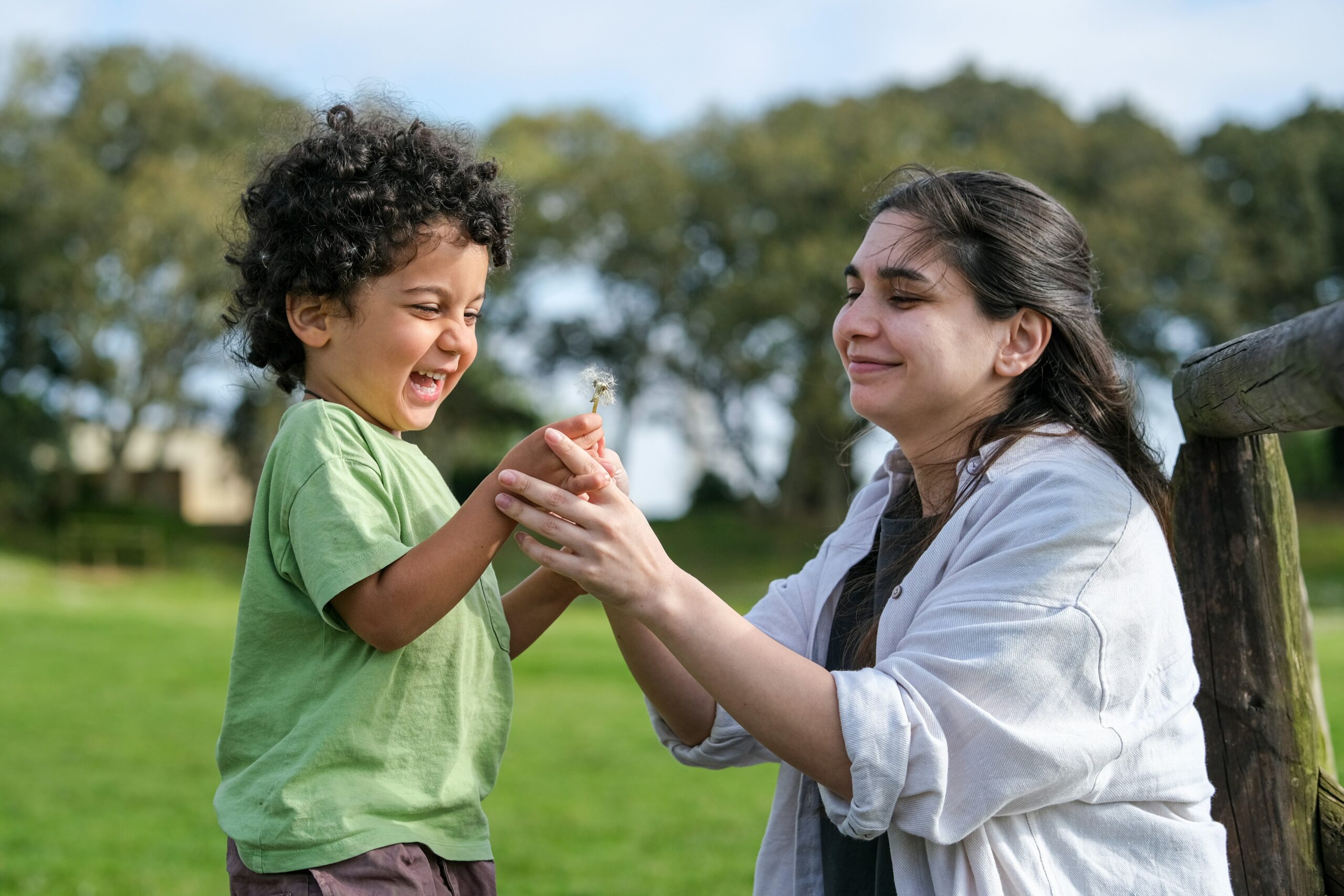
Kindness does not always require money, special skills, or major sacrifices. Sometimes, a friendly smile, thoughtful message, or helping hand can improve someone’s entire day. Simple acts of kindness create meaningful connections and remind people that compassion still matters. Even the smallest gesture can bring comfort in difficult moments and inspire others to show the same care.
Modern life often moves quickly, leaving little time for personal connections. However, kindness helps people feel valued, supported, and understood. It strengthens relationships, builds trust, and encourages a more caring community. By making thoughtful choices each day, anyone can create positive change without dramatically changing their routine.
Why Small Acts of Kindness Matter More Than We Realize
Small gestures often carry greater emotional value than people expect. A sincere compliment can boost someone’s confidence, while a thoughtful conversation can ease loneliness. These moments may seem ordinary, but they remind individuals that others recognize their efforts and appreciate their presence. Kindness creates emotional connections that help people feel less isolated.
Furthermore, positive actions can influence how people treat others. Someone who receives unexpected support may feel encouraged to help another person. This creates a chain of compassion that extends beyond the original interaction. Over time, repeated acts of kindness can strengthen social relationships and make communities more welcoming, supportive, and respectful.
Start With Kindness in Everyday Conversations
Words can encourage, comfort, and motivate. Saying thank you, offering a genuine compliment, or acknowledging someone’s hard work can make a meaningful difference. Many people face personal struggles that others cannot see. Therefore, choosing thoughtful language helps create positive interactions, even during brief conversations with coworkers, neighbors, or strangers.
Active listening offers another valuable way to show kindness. Instead of checking your phone or preparing your next response, give someone your full attention. Ask thoughtful questions and allow them to express their feelings without interruption. Sometimes, people need understanding more than advice. A patient listener can provide comfort and strengthen trust through a simple conversation.
Offer Help Without Waiting for Someone to Ask
People often hesitate to ask for help because they fear becoming a burden. Taking the initiative can make difficult situations easier. You might carry groceries for an older neighbor, help a coworker complete a demanding task, or assist someone who struggles with directions. These thoughtful actions show you notice others’ needs.
However, offering help also requires respect. Ask whether someone would appreciate assistance before stepping in. Some people prefer handling challenges independently, and respecting that choice matters. When you offer support without expecting recognition, your actions become more meaningful. Genuine kindness focuses on making another person’s experience easier rather than receiving praise or attention.
Make Your Home a Place Where Kindness Grows
Families and close relationships benefit from consistent acts of consideration. Preparing someone’s favorite meal, helping with household responsibilities, or expressing appreciation can strengthen emotional bonds. These actions communicate care without requiring elaborate plans. When family members regularly support one another, they create an environment where everyone feels respected and valued.
Additionally, kindness at home involves patience during disagreements. Instead of reacting with anger, listen carefully and consider another person’s perspective. Apologize when needed and recognize the effort others put in. Children also learn important social habits by observing how adults communicate. A household that practices compassion can help younger generations develop empathy and respectful behavior.
Brighten a Stranger’s Day With Thoughtful Gestures
Kindness toward strangers can transform ordinary moments into memorable experiences. Holding a door open, letting someone go ahead in line, or offering a friendly greeting takes little effort. Yet these gestures communicate respect and consideration. They remind people that positive human connections can happen anywhere, including grocery stores, sidewalks, and public transportation.
You can also show kindness by recognizing people whose work often goes unnoticed. Thank delivery drivers, custodians, store employees, and service workers for their contributions. Speak politely, remain patient during delays, and treat everyone with dignity. These everyday habits create more pleasant interactions and encourage a culture of appreciation.
Support Your Community Through Simple Contributions
Community kindness doesn’t always mean organizing large events or donating large sums of money. Small contributions can address important local needs. Sharing extra household supplies, donating gently used clothing, or helping maintain a neighborhood space can benefit others. Local food pantries, schools, and community centers often welcome practical assistance from residents.
Volunteering your time offers another meaningful opportunity. You might read with children, support a community garden, or help organize donated supplies. Choose activities that match your schedule and abilities. Even occasional participation can provide useful support. When residents contribute consistently, they help create stronger neighborhoods where people feel connected and willing to cooperate.
Use Digital Communication to Spread Positivity
Online spaces provide opportunities to practice kindness beyond face-to-face interactions. Sending an encouraging message, congratulating someone on an achievement, or checking on an old friend can strengthen relationships. These gestures take only a few minutes, yet they can reassure someone experiencing stress, uncertainty, or loneliness.
Responsible online behavior also reflects compassion. Avoid sharing hurtful comments, spreading rumors, or joining unnecessary arguments. Instead, communicate respectfully and consider how your words might affect others. Supporting small businesses through thoughtful reviews or sharing helpful community resources can also create positive outcomes. Digital kindness helps make online environments more welcoming and constructive.
Practice Kindness During Difficult and Stressful Moments
Compassion matters most when circumstances feel challenging. People may respond impatiently because they face personal difficulties, work pressure, or emotional exhaustion. Although kindness does not require accepting disrespect, responding calmly can prevent unnecessary conflict. A respectful conversation often produces better results than harsh criticism or immediate judgment.
During difficult situations, small supportive actions can provide meaningful relief. Checking in after a loss, preparing a meal for a struggling friend, or offering practical help can show genuine concern. Avoid assuming you understand another person’s experience. Instead, ask what support would help and respect their answer. Compassion works best when it responds to real needs.
Build a Daily Habit of Giving and Receiving Kindness
Consistency turns occasional good deeds into lasting habits. Start by identifying simple opportunities in your daily routine. Thank someone who helps you, offer encouragement when appropriate, or reach out to someone you haven’t spoken with recently. These manageable actions make kindness a natural part of everyday life rather than an occasional responsibility.
Remember that kindness also includes treating yourself with patience and respect. Recognize your limits, take necessary breaks, and avoid unrealistic expectations. Personal well-being can make it easier to support others without becoming overwhelmed. When you balance self-care with compassion, you create a sustainable way to help people and maintain healthy relationships.
How Everyday Kindness Creates Lasting Positive Change
The greatest value of kindness often shows up in its lasting influence. A supportive teacher may inspire a student to pursue new opportunities. A helpful neighbor may encourage stronger community relationships. A thoughtful friend may provide confidence during a difficult decision. Although these gestures seem small, their effects can continue long after the original moment passes.
Ultimately, simple acts of kindness make a huge difference because they bring people closer together. They encourage empathy, improve everyday experiences, and remind individuals that everyone deserves respect. You don’t need extraordinary resources to make a meaningful contribution. By choosing compassion in ordinary situations, you can help create a more supportive world, one thoughtful action at a time.