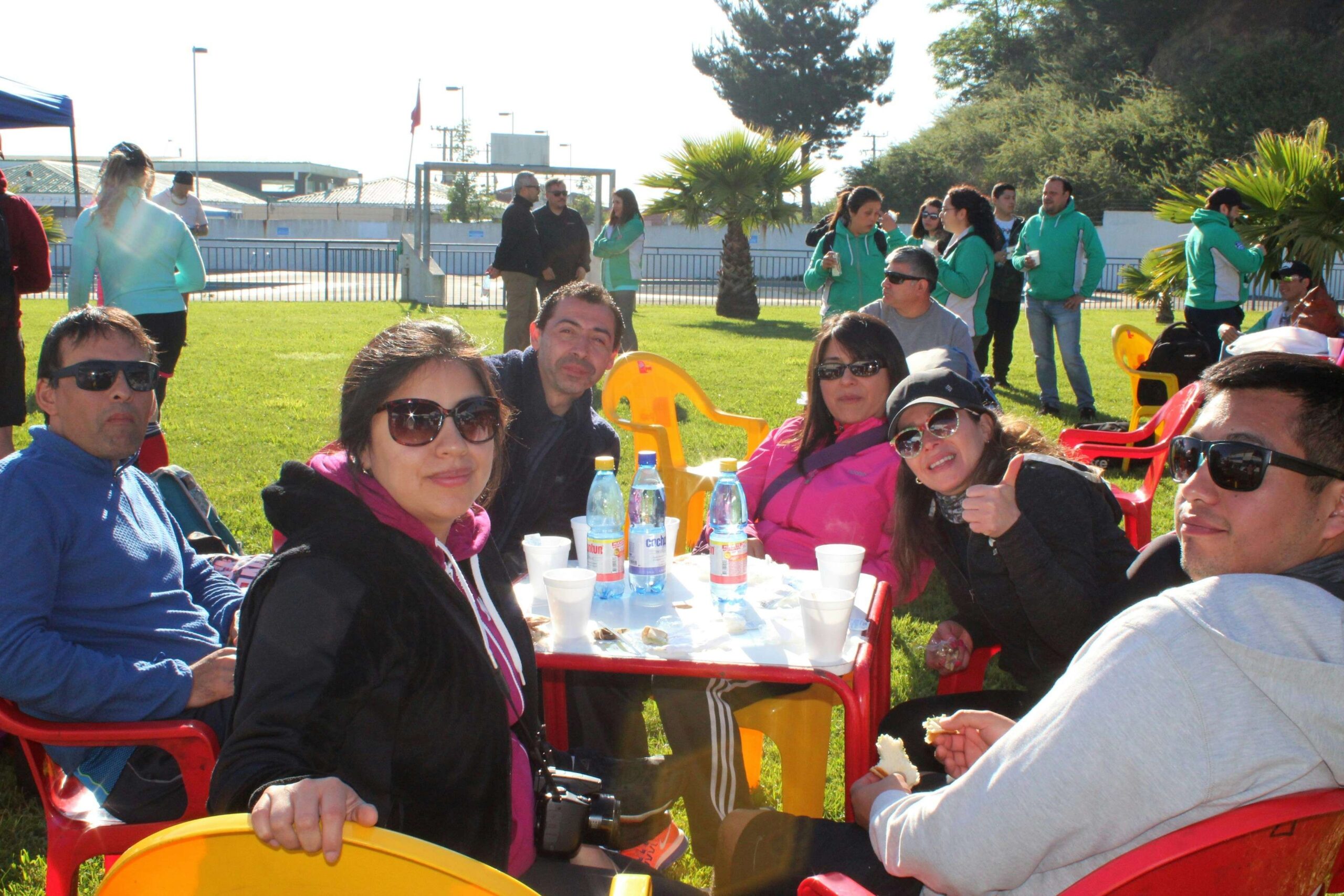
A happy town grows when people share meaningful moments and build strong connections. Shared traditions help neighbors feel closer, celebrate local culture, and create lasting memories. Whether through seasonal festivals, community meals, or neighborhood gatherings, these activities bring people together. Moreover, they encourage kindness, respect, and a sense of belonging. Every town has unique customs that reflect its history and values. When residents take part in these activities, they help preserve local identity while creating new friendships. As a result, shared traditions can turn ordinary neighborhoods into welcoming places where people feel valued and connected.
Why Shared Traditions Matter for Local Communities
Shared traditions play an important role in building strong and caring communities. They give residents a reason to meet, talk, and enjoy time together. For example, annual festivals, holiday celebrations, and local fairs create spaces where neighbors can share experiences. These moments help people understand different backgrounds and develop mutual respect. Regular community activities also build trust among residents. When people feel connected to their neighbors, they often become more willing to support local projects and help others.
Community traditions also give people pride in where they live. A town becomes more meaningful when residents recognize its history and celebrate its achievements. Local customs also remind families of the values that have shaped their community over time. Children learn about their town through stories, events, and shared experiences. Meanwhile, older residents gain opportunities to pass along valuable knowledge. Therefore, keeping these traditions alive helps protect local heritage while strengthening community relationships.
Celebrating Local Festivals and Cultural Events
Local festivals offer wonderful opportunities to spread happiness and positive energy. They bring people outdoors, encourage social interaction, and create an exciting atmosphere. Communities can organize music events, food fairs, craft shows, and seasonal celebrations that reflect local interests. These gatherings also let residents enjoy familiar customs while discovering new experiences. When volunteers, families, and local groups work together, they create welcoming events. As a result, celebrations become more than entertainment because they strengthen community connections.
Cultural events also help residents appreciate the different traditions within their town. For instance, international food festivals and cultural performances introduce people to unfamiliar customs. These experiences encourage understanding and create opportunities for meaningful conversations. Local artists and performers can also share their talents with a wider audience. Town leaders can invite community groups to help plan inclusive celebrations. As a result, cultural events can build respect, reduce social barriers, and encourage people from different backgrounds to form friendships.
Bringing Neighbors Together Through Simple Activities
Meaningful community traditions do not always require large budgets or complex planning. Simple activities can create lasting memories and stronger friendships. Neighborhood potlucks, outdoor movie nights, and community picnics allow residents to spend quality time together. These gatherings also provide comfortable settings for meeting new neighbors. Families can bring homemade meals, share stories, and enjoy friendly conversations. Because these activities focus on participation rather than expensive entertainment, more people can join and feel included.
Community gardening offers another practical way to build neighborhood relationships. Residents can plant flowers, grow vegetables, and maintain shared green spaces. Gardening activities also encourage teamwork and help improve the local environment. Children can learn about nature, while adults exchange useful knowledge and gardening tips. Over time, these shared efforts build responsibility and pride. Neighbors who work together often develop stronger relationships. As a result, small community projects can bring lasting benefits to the entire town.
Encouraging Different Generations to Participate
A strong community creates opportunities for people of all ages to connect. Shared traditions become more valuable when children, adults, and seniors take part together. For example, storytelling sessions let older residents share memories of local history. Meanwhile, younger participants can introduce creative ideas and modern activities. These exchanges help families understand different experiences and learn from one another. Furthermore, they encourage respect between generations and make community celebrations more meaningful for everyone involved.
Schools and community centers can support these connections through special events. Students might interview longtime residents, create artwork, or help organize neighborhood celebrations. Likewise, seniors can teach traditional crafts, cooking methods, or local songs. These activities create learning opportunities outside regular classrooms. They also help preserve valuable knowledge that might otherwise fade over time. As a result, generations develop stronger bonds while building a shared sense of belonging within the community.
Supporting Local Businesses and Creative Talent
Community celebrations can also strengthen the local economy. Small businesses often benefit when residents attend festivals, markets, and neighborhood events. Local restaurants can introduce special dishes, while artists display handmade products. Independent shops can also join seasonal promotions and community activities. These opportunities help residents discover businesses they may not know. Therefore, supporting local entrepreneurs during celebrations can encourage economic growth while making community gatherings more enjoyable.
Creative talent also deserves recognition during town celebrations. Musicians, painters, writers, and performers contribute to the character of their communities. For instance, outdoor concerts and art exhibitions give local creators opportunities to connect with residents. Public performances can also inspire young people to explore their interests. Community organizers can invite students and emerging artists to participate alongside experienced professionals. Through these efforts, towns celebrate local talent while encouraging creativity and cultural pride.
Spreading Kindness Through Community Traditions
Holiday gatherings also provide opportunities to make others feel valued. Neighbors might organize meals for older adults, prepare care packages, or invite newcomers to local celebrations. Volunteers can also arrange activities for families facing financial challenges. These thoughtful efforts help create an environment where people feel welcome and respected. However, kindness should not depend on special occasions. When communities make generosity part of their regular traditions, they build stronger relationships year-round.
Traditions can promote generosity and compassion beyond celebrations. Community service activities bring residents together around meaningful goals. Food drives, clothing collections, and neighborhood cleanup events encourage people to support those in need. Moreover, these projects show how small acts of kindness can create positive changes. Residents can work with local organizations to identify practical ways to help. As a result, community involvement becomes a shared responsibility rather than an occasional activity.