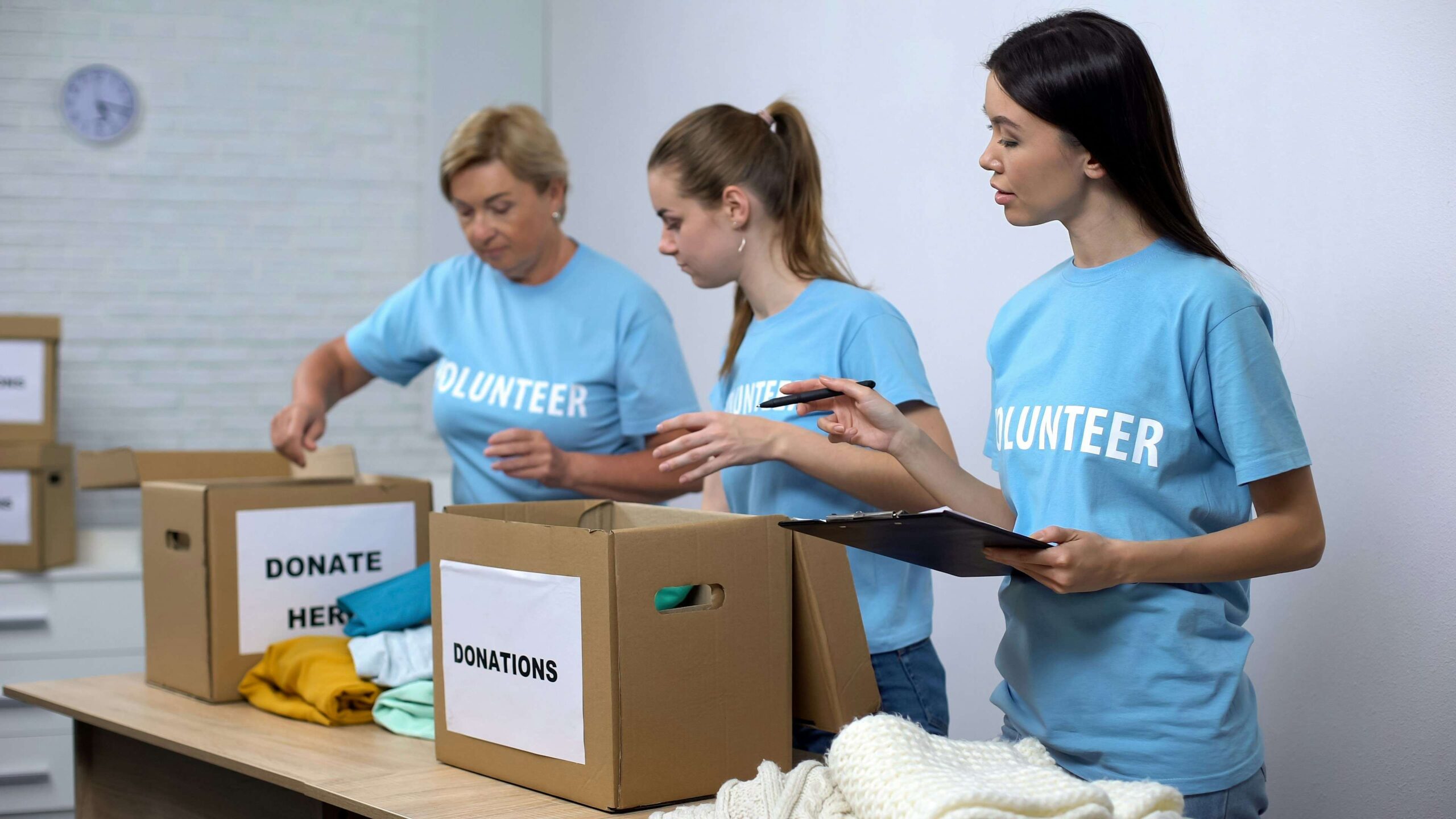
Volunteering is more than giving time, sharing skills, or helping people in need. It is an opportunity to create meaningful change that continues long after a project ends. Whether supporting local communities, protecting the environment, mentoring young people, or assisting families facing difficult circumstances, every volunteer experience can contribute to a stronger society. However, turning short-term volunteer activities into lasting social impact requires thoughtful planning, consistent involvement, and a genuine understanding of community needs.
When volunteers focus on long-term improvements rather than temporary solutions, their efforts can become a powerful force for positive social change. By building relationships, sharing knowledge, and encouraging community participation, volunteers can help create opportunities that benefit future generations.
Understanding the Real Purpose of Volunteering
Meaningful volunteer work begins with understanding why support is needed. Every community faces different challenges, including limited educational opportunities, financial difficulties, environmental concerns, and unequal access to essential services. Before starting a volunteer project, individuals should take time to understand these issues and listen to the people directly affected.
Rather than assuming what a community needs, volunteers should communicate with residents, local organizations, and community leaders. This approach helps ensure that activities address actual problems instead of offering temporary assistance without meaningful results.
Understanding local challenges also allows volunteers to identify opportunities where their time and abilities can make a measurable difference. When volunteer activities are connected to real community priorities, they become more effective and sustainable.
Building Meaningful Relationships Through Service
Lasting social impact depends heavily on strong relationships. Volunteers who establish trust with community members can create an environment where people feel respected, supported, and encouraged to participate.
Developing these connections requires patience, empathy, and consistent communication. Instead of focusing only on completing assigned tasks, volunteers should make an effort to understand individual experiences and recognize the strengths within each community.
Strong relationships also encourage collaboration. When people work together toward shared goals, they become more confident in their ability to address challenges. These connections can continue even after a volunteer program finishes, helping communities maintain progress and develop new opportunities.
Turning Short-Term Efforts Into Sustainable Solutions
One-time volunteer activities can provide immediate assistance, but sustainable projects create benefits that continue over time. For example, distributing educational materials may help students temporarily, while establishing ongoing tutoring programs can improve learning outcomes for years.
Similarly, organizing a neighborhood cleanup can improve a public space only temporarily. Creating community recycling initiatives and environmental awareness programs can encourage residents to maintain cleaner surroundings.
Sustainable volunteering focuses on developing systems that communities can manage independently. Volunteers should aim to share practical knowledge, provide useful resources, and strengthen local capabilities rather than creating permanent dependence on outside assistance.
Sharing Skills to Empower Communities
Knowledge sharing is one of the most valuable ways volunteers can create lasting change. People with professional experience, technical knowledge, or practical abilities can help others develop skills that improve their personal and economic opportunities.
For instance, volunteers can teach digital literacy, support career preparation, provide language instruction, or organize basic financial education sessions. These activities help individuals gain confidence and become better equipped to overcome everyday challenges.
Skill development also creates opportunities for community members to support one another. When participants share what they learn with family members, neighbors, and colleagues, the benefits of volunteer programs can reach a much wider audience.
Measuring Progress and Recognizing Results
Creating meaningful social impact requires more than completing activities. Volunteers and organizations should also evaluate whether their efforts are producing positive outcomes.
Measuring progress can involve tracking participation, gathering feedback, observing improvements, and identifying areas that need additional support. For example, an educational initiative may measure changes in student attendance, confidence in learning, or academic performance.
Feedback from community members is equally important because it reveals whether a project is meeting expectations. Honest evaluation helps volunteers improve their approaches, use resources responsibly, and make informed decisions about future activities.
Recognizing small achievements also keeps participants motivated. Even gradual improvements can represent important progress toward broader social goals.
Encouraging a Culture of Long-Term Community Involvement
Volunteering’s impact grows stronger when more people feel inspired to participate. Experienced volunteers can encourage others by sharing their stories, showing positive results, and creating welcoming opportunities to get involved.
Schools, businesses, nonprofit organizations, and neighborhood groups can support this culture by developing accessible volunteer programs. When participation becomes part of everyday community life, social responsibility grows beyond individual projects.
Lasting social impact begins with a simple commitment to help others but develops through consistent action, shared responsibility, and meaningful partnerships. Volunteers do not need extraordinary resources to make a difference. Their dedication, knowledge, and willingness to work alongside others can transform individual experiences into lasting community progress. By focusing on sustainable solutions and empowering people to shape their own futures, volunteer experiences can become a foundation for a more inclusive, supportive, and resilient society.