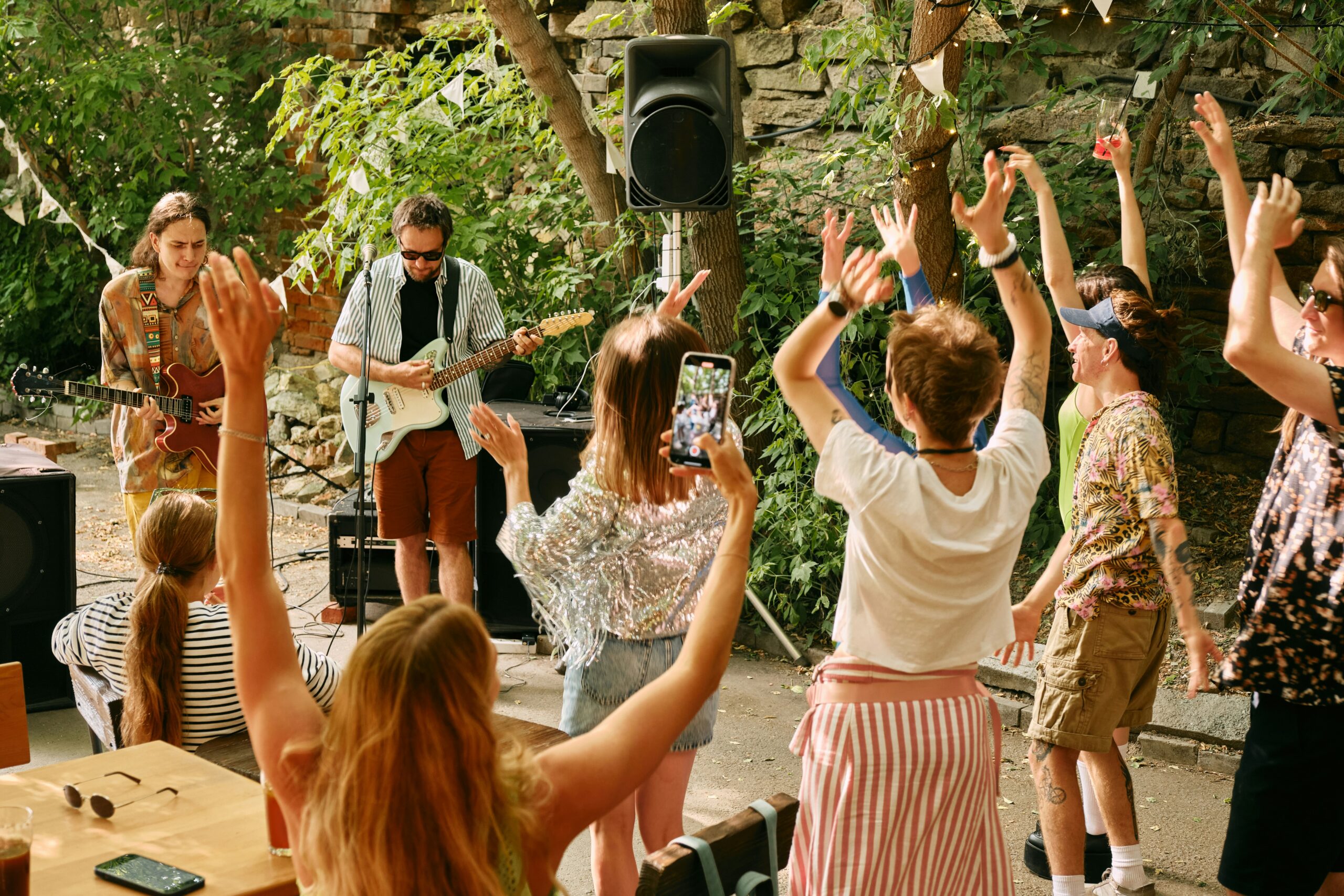
Music is one of the few forms of expression that connects people across languages, borders, and generations. Every culture has its own way of celebrating music, shaped by history, religion, traditions, and social values. From energetic street festivals in Brazil to spiritual chanting in India, music plays a major role in bringing communities together and preserving cultural identity.
Across the world, musical celebrations often reflect a society’s emotions and beliefs. Some cultures use music to honor ancestors and religious events, while others use it to celebrate love, harvests, weddings, or national pride. These traditions continue to evolve, yet they remain deeply rooted in each community.
Music Festivals in Latin America
Latin American countries are famous for lively music festivals filled with dancing, colorful costumes, and powerful rhythms. In Brazil, Carnival is one of the largest celebrations in the world, featuring samba music, huge parades, and street performances. Music during Carnival represents freedom, joy, and cultural pride. Communities spend months preparing songs and dance routines that showcase their creativity and heritage.
In countries like Mexico and Colombia, music festivals often combine traditional instruments with modern sounds. Mariachi bands are a major part of Mexican celebrations, especially during weddings and national holidays. Colombian festivals frequently highlight cumbia and vallenato music, which reflect African, Indigenous, and Spanish influences. These events strengthen cultural identity while attracting visitors from around the world.
Traditional Music Celebrations in Africa
Music in many African cultures is closely tied to storytelling, rituals, and community gatherings. Drumming ceremonies are common in several regions, where rhythms are used to communicate emotions, celebrate milestones, and unite people. In West Africa, drums are often played during weddings, harvest festivals, and spiritual ceremonies. Music becomes a shared experience that encourages participation from everyone present.
Dance is equally important in African musical celebrations. Performers often move in time with the drums, creating a deep connection between sound and movement. Songs may honor ancestors, celebrate victories, or teach younger generations about cultural traditions. These musical customs have influenced many modern genres, including jazz, blues, and hip hop.
The Spiritual Role of Music in Asia
In many Asian cultures, music carries deep spiritual and emotional meaning. In India, classical music traditions such as Hindustani and Carnatic music are often connected to meditation and religious devotion. Performances can last for hours, allowing musicians to express emotion through detailed melodies and rhythms. Festivals like Diwali and Holi also feature music and dance as symbols of joy and togetherness.
In countries such as Japan and China, traditional music is frequently performed during seasonal festivals and ceremonial events. Japanese taiko drumming performances are powerful and energetic, often bringing communities together during celebrations. In China, traditional instruments like the guzheng and erhu are played during Lunar New Year festivities to promote good fortune and harmony. Music serves as a bridge between ancient traditions and modern cultural life.
European Musical Traditions and Celebrations
Europe has a long history of celebrating music through concerts, operas, and folk festivals. In countries like Austria and Germany, classical music remains an important part of cultural identity. Cities host annual festivals honoring famous composers such as Mozart and Beethoven. These events attract audiences from around the world and preserve centuries-old musical traditions.
Folk music also plays a central role in European celebrations. Irish festivals often feature traditional fiddles, flutes, and lively group dances. In Spain, flamenco music combines emotional singing, guitar playing, and dramatic dancing. These musical traditions continue to inspire younger generations while maintaining strong connections to regional heritage and history.
Indigenous Music and Cultural Identity
Indigenous communities across the world use music to preserve history and strengthen cultural identity. Native American tribes often include drumming, chanting, and singing in ceremonies that honor nature and ancestors. These musical practices carry stories and teachings that are passed down through generations. Celebrations often focus on unity, spirituality, and respect for the environment.
In Australia, Indigenous Aboriginal communities use instruments like the didgeridoo during cultural gatherings and storytelling events. Songs are closely tied to the land and spiritual beliefs, reflecting thousands of years of tradition. Music allows Indigenous cultures to maintain their identity while sharing their heritage with broader audiences.
Modern Global Music Celebrations
Technology and globalization have changed the way cultures celebrate music today. International music festivals now bring together artists and audiences from many different countries. Events such as Coachella in the United States and Tomorrowland in Belgium showcase a wide range of genres, including pop, electronic, rock, and hip-hop. These festivals create opportunities for cultural exchange and artistic collaboration.
Social media and streaming platforms have also helped people discover music from different cultures more easily. Fans can listen to K-pop from South Korea, Afrobeats from Nigeria, or reggaeton from Puerto Rico within seconds. This global access has encouraged musicians to blend styles and create new sounds that reflect multiple cultural influences. Music celebrations continue to evolve while still honoring traditional roots.
The Universal Power of Music
No matter where people come from, music has the power to connect emotions and create shared experiences. Cultural celebrations centered around music allow communities to express identity, preserve traditions, and strengthen social bonds. Whether through traditional ceremonies or modern festivals, music continues to unite people in meaningful ways.
As cultures interact more closely in the modern world, musical traditions are becoming more diverse and interconnected. Despite these changes, the heart of every musical celebration remains the same, bringing people together through rhythm, melody, and emotion. Music will always be a universal language that reflects the beauty and diversity of human culture.