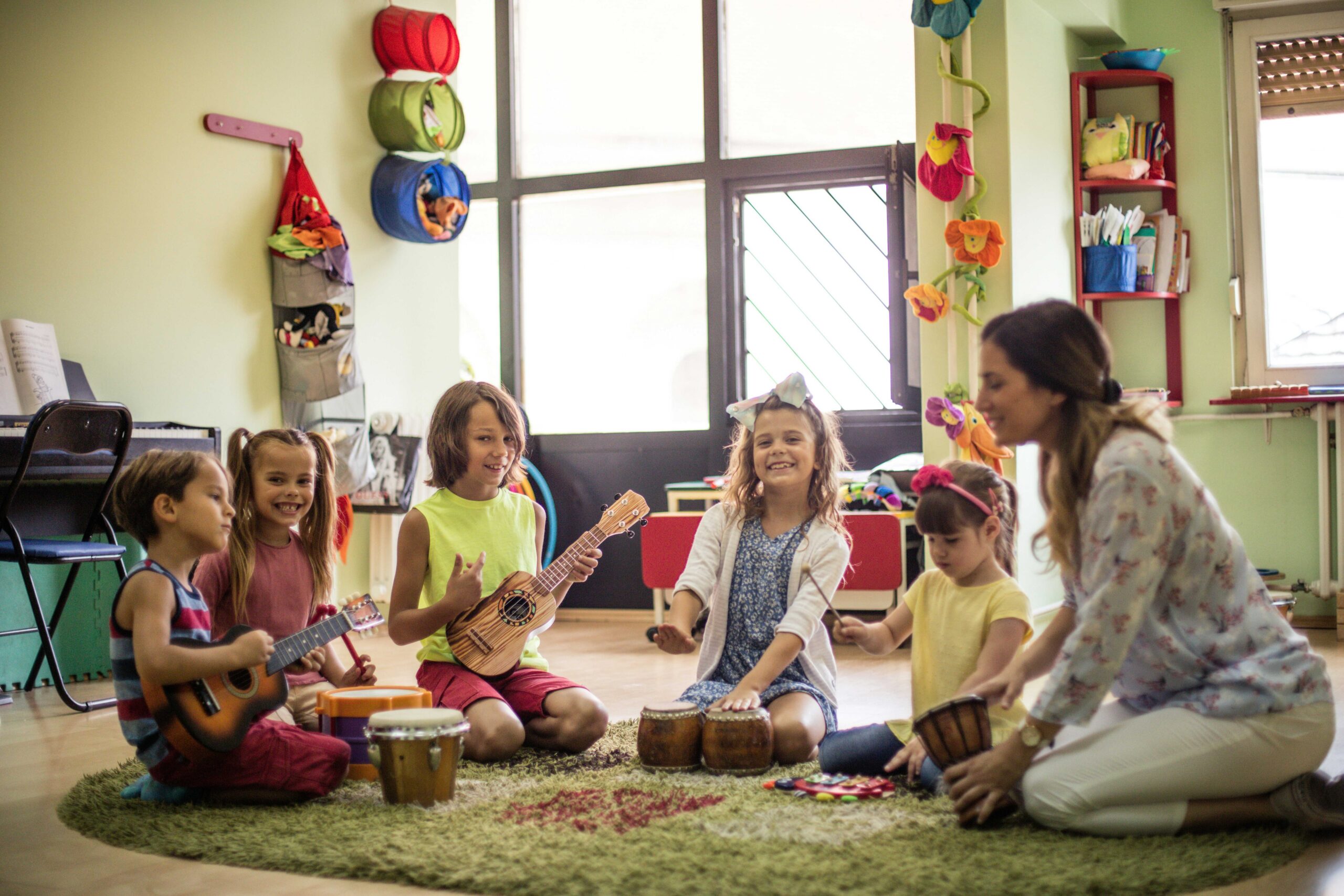
Music has a special way of making learning enjoyable, memorable, and meaningful. In the classroom, it can transform ordinary lessons into exciting experiences that encourage students to participate and explore new ideas. Bringing academic concepts to life through classroom music allows teachers to connect important subjects with rhythm, melody, and creative expression. Instead of simply reading information from textbooks, students can learn through songs, movement, and musical activities that make difficult topics easier to understand.
Classroom music is more than entertainment. It is an effective teaching approach that supports creativity, concentration, memory, and academic development. When teachers include music in everyday lessons, they create an interactive learning environment where students can connect information with enjoyable experiences.
Connecting Music With Different Academic Subjects
Music can support learning across many academic subjects. Teachers can use songs to explain mathematical concepts, introduce scientific ideas, and strengthen language skills. For example, multiplication songs can help students remember number patterns, while rhythmic counting activities make basic mathematics more enjoyable.
In science lessons, teachers can introduce songs about the solar system, weather, plants, or the human body. These musical activities help students remember key facts while building interest in scientific topics. Similarly, history teachers can use traditional songs and musical styles from different periods to help students understand historical events and cultural changes.
Language arts lessons can also benefit from classroom music. Rhyming songs, vocabulary activities, and storytelling through music encourage students to recognize sounds, improve pronunciation, and develop reading skills. By connecting music with academic content, teachers make lessons more creative and easier to understand.
Improving Memory and Understanding Through Rhythm
One of the greatest benefits of classroom music is its ability to strengthen memory. Rhythm, repetition, and melody help students remember information more effectively. When academic concepts are presented through songs, learners can recall important details by remembering the tune or rhythm associated with the lesson.
For younger students, alphabet songs and counting rhymes provide simple ways to practice essential skills. Older students can use musical patterns to remember scientific terms, historical dates, mathematical formulas, and other important information.
Music also supports deeper understanding because students actively engage with the material. Singing, clapping, and creating rhythms encourage them to process information rather than passively listen. These experiences can make complex topics feel less intimidating and help students develop stronger connections with what they learn.
Encouraging Creativity and Active Participation
Classroom music gives students opportunities to express themselves and participate in lessons. When teachers invite learners to create their own songs, rhythms, or musical performances, students become active contributors to the learning process.
For example, students can write short songs about the water cycle, create rhymes about grammar rules, or develop rhythmic patterns to explain mathematical sequences. These activities encourage independent thinking, problem-solving, and collaboration.
Group music activities also help students develop communication and teamwork skills. Working together to perform a song or create a musical presentation teaches learners to listen to others, share ideas, and respect different perspectives. This supportive atmosphere can increase classroom participation, especially among students who may feel uncomfortable speaking during traditional lessons.
Supporting Different Learning Styles and Abilities
Every student learns differently, and classroom music provides another way to explore academic information. Some students understand concepts more easily through listening, while others benefit from movement, repetition, or hands-on experiences. Music combines several of these learning opportunities in one activity.
Teachers can use simple instruments, recorded songs, body percussion, and classroom singing to make lessons accessible to different learners. Students who struggle with traditional teaching methods may find musical activities more comfortable and motivating.
Music can also create a positive emotional environment. Familiar melodies and enjoyable rhythms may help reduce classroom tension and encourage students to approach challenging subjects with greater confidence. However, teachers should choose activities carefully to ensure that music supports learning rather than distracts from it.
Practical Ways to Include Music in Daily Lessons
Bringing music into the classroom does not require expensive equipment or advanced musical knowledge. Teachers can begin with short songs, rhythmic exercises, and simple listening activities connected to the lesson topic.
A mathematics teacher might introduce a counting song before a problem-solving activity. A science teacher could use a musical explanation of the food chain, while an English teacher might ask students to create rhymes using newly learned vocabulary.
Teachers can also encourage students to compose original songs based on classroom topics. These activities make academic learning more personal and give students opportunities to demonstrate their understanding in creative ways.
Building Meaningful Learning Experiences With Music
Classroom music can turn academic lessons into memorable learning experiences. By combining educational content with rhythm, melody, and creative participation, teachers help students understand concepts in enjoyable and practical ways. Music supports memory, encourages collaboration, and makes classrooms more welcoming for different types of learners.
When used with clear educational goals, music becomes a valuable teaching resource rather than simply a classroom activity. It helps students make connections across subjects, build confidence, and enjoy the learning process. Through thoughtful musical experiences, teachers can make academic concepts easier to understand and inspire students to become more curious, creative, and enthusiastic learners.