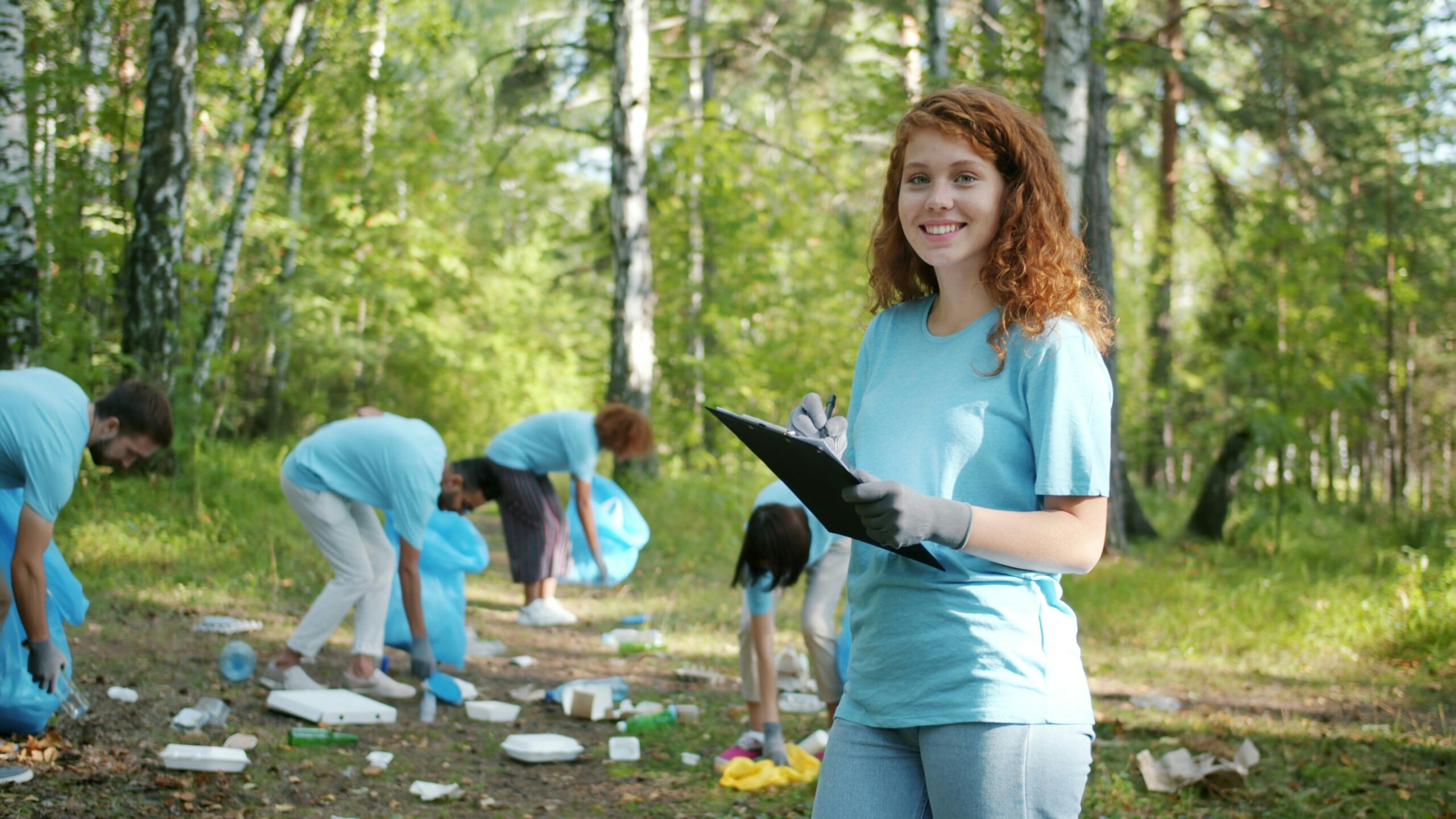
Many people look for simple ways to improve their emotional health and create a more meaningful life. One of the most effective options is volunteer work. The benefits of volunteering that come from helping others extend far beyond the community. In fact, volunteering can strengthen mental health, increase happiness, and build a stronger sense of purpose. As people give their time and energy to support others, they often discover positive changes in their own lives.
Mental health and well-being depend on many factors, including social support, self-esteem, and a sense of daily purpose. Fortunately, volunteer activities support all these areas. Whether someone helps at a local shelter, supports a community event, or mentors young people, the experience often creates lasting emotional rewards. As a result, volunteering remains one of the most valuable tools for improving overall wellness.
Creates a Strong Sense of Purpose
Many people struggle when they feel disconnected from their goals or daily activities. Volunteer work helps fill that gap by providing meaningful opportunities to make a difference. When people see the positive impact of their efforts, they often feel more motivated and fulfilled.
Furthermore, a strong sense of purpose can improve emotional resilience. People who engage in meaningful activities often handle challenges more effectively. Because volunteer work focuses on helping others, it fosters a positive outlook and deepens one’s connection to life.
Reduces Stress and Anxiety
Stress affects both mental and physical health. While many people search for ways to relax, volunteering offers a practical solution that supports emotional balance. Helping others shifts attention away from personal worries and creates a healthier perspective on everyday problems.
In addition, volunteer activities often involve supportive environments and positive interactions. These experiences can lower feelings of anxiety and promote a sense of calm. As volunteers focus on meaningful tasks, they frequently experience reduced stress and improved emotional well-being.
Builds Strong Social Connections
Human connection plays a vital role in mental health. Unfortunately, loneliness has become a common challenge for many individuals. Volunteer work creates opportunities to meet people who share similar interests and values. As a result, volunteers often develop friendships and supportive relationships.
Moreover, strong social connections provide emotional support during difficult times. People who feel connected to others tend to experience greater happiness and lower levels of isolation. Through community involvement, volunteers create networks that strengthen both mental health and personal well-being.
Improves Self-Confidence and Self-Worth
Confidence grows when people recognize their value and abilities. Volunteer work allows individuals to contribute their skills while learning new ones. Consequently, they gain a stronger sense of accomplishment and personal pride.
At the same time, positive feedback from those they help reinforces feelings of self-worth. When volunteers see the results of their efforts, they often develop greater confidence in their abilities. This increased self-esteem supports long-term emotional health and encourages continued personal growth.
Encourages Positive Emotions
One of the most recognized benefits of volunteering is the positive emotions it creates. Acts of kindness often generate feelings of happiness, gratitude, and satisfaction. These emotions contribute directly to better mental health and a more optimistic outlook on life.
Additionally, helping others can create a sense of joy that lasts long after the activity ends. Many volunteers report feeling energized and inspired after serving their communities. Therefore, regular volunteer work can become an important source of emotional wellness and daily positivity.
Supports Personal Growth and Learning
Growth and learning contribute greatly to mental well-being. Volunteer opportunities often introduce people to new experiences, challenges, and skills. As they step outside their comfort zones, they develop greater adaptability and confidence.
Furthermore, volunteers frequently discover strengths they did not know they possessed. Whether they improve communication skills, leadership abilities, or problem-solving techniques, these experiences support personal development. As a result, volunteer work benefits both emotional health and future opportunities.
Promotes a Healthy Lifestyle
Mental health and physical health often influence each other. Many volunteer activities encourage movement, social interaction, and engagement with the community. These factors can support healthier daily habits and improve overall wellness.
At the same time, people who volunteer regularly often maintain more active lifestyles. Because they participate in meaningful activities, they may feel more motivated to care for their health. Consequently, volunteer work contributes to both emotional and physical well-being.
Strengthens Community and Belonging
A strong sense of belonging helps people feel valued and connected. Volunteer work allows individuals to become active participants in their communities rather than passive observers. Through service, they build relationships and contribute to positive change.
Moreover, feeling part of something larger than oneself can improve emotional stability and happiness. People who experience community support often report higher levels of life satisfaction. Therefore, volunteering helps create stronger communities while improving personal mental health.
Helps During Life Transitions
Major life changes can create uncertainty and emotional stress. Retirement, relocation, career changes, or personal loss often leave people searching for new routines and connections. Volunteer work provides structure and meaningful engagement during these transitions.
In addition, volunteering introduces individuals to supportive environments where they can meet new people and establish new goals. This sense of continuity helps reduce feelings of uncertainty and promotes emotional recovery. As a result, volunteer activities can serve as a valuable source of stability during challenging periods.
The benefits of volunteering for mental health and well-being are both powerful and lasting. Volunteer work provides purpose, reduces stress, strengthens social connections, and builds self-confidence. In addition, it encourages positive emotions, supports personal growth, and fosters a strong sense of belonging.
Because mental wellness depends on meaningful relationships and positive experiences, volunteering offers an effective way to improve daily life. Whether someone contributes a few hours each month or participates regularly, every act of service can make a difference. At the same time, volunteers often discover that helping others becomes one of the most rewarding ways to support their own mental health and well-being.